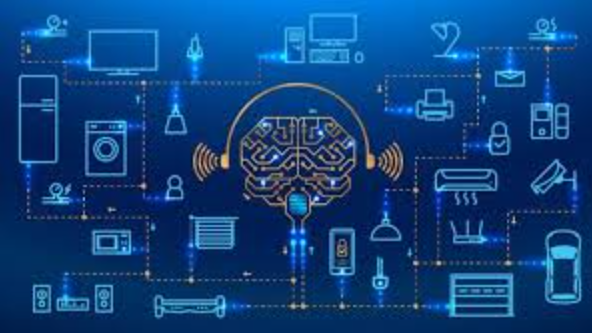
IoT devices represent a sophisticated integration of hardware and software, designed to interact with the environment. They rely on sensors to monitor conditions and actuators to perform responses based on collected data. Communication protocols play a crucial role in facilitating data exchange. However, the journey doesn’t end with data collection. Understanding the intricate processes behind data transmission and analysis reveals the true potential of IoT systems and their impact on everyday life.
Understanding IoT Architecture
The architecture of the Internet of Things (IoT) serves as the backbone for the seamless interaction between devices, systems, and users.
Comprising distinct IoT layers, each level plays a crucial role in facilitating device management and ensuring efficient communication.
These layers enable interoperability, security, and scalability, empowering individuals and organizations to harness the full potential of connected technologies while maintaining control over their digital environments.
See also: newspaperinsider
Sensors and Actuators: The Building Blocks of IoT
Sensors and actuators form the essential components of IoT ecosystems, enabling devices to perceive and interact with their environments.
Diverse sensor types facilitate environmental monitoring, while actuator functions allow for precise actuator control.
Sensor fusion enhances data accuracy, making it vital for industrial applications where reliability is paramount.
Together, these elements empower a range of IoT solutions, fostering innovation and operational efficiency.
Data Transmission and Communication Protocols
Effective data transmission and communication protocols are crucial for the seamless operation of IoT devices.
Signal modulation techniques enable efficient encoding of data, ensuring reliable communication across various networks.
Wireless connectivity allows devices to interact without physical constraints, promoting flexibility and scalability.
Selecting appropriate protocols, such as MQTT or CoAP, enhances system performance and facilitates the exchange of information in diverse IoT environments.
Data Processing and Analysis in IoT Systems
Successful communication among IoT devices sets the stage for the next critical phase: data processing and analysis.
This phase involves extensive data collection from various sensors and devices, transforming raw information into valuable insights. Utilizing predictive analytics, IoT systems can anticipate trends and enhance decision-making, empowering users to optimize operations and improve efficiency.
Ultimately, this freedom to analyze data fosters innovation and growth.
Conclusion
In conclusion, IoT devices weave together sensors, actuators, and communication protocols like threads in a tapestry, creating a cohesive network that enhances everyday life. Through seamless data transmission and insightful analysis, these technologies empower users to optimize their operations and make informed decisions. As the digital landscape evolves, the synergy of these components will continue to illuminate the path toward smarter solutions, transforming how we interact with the world around us.


