Introduction
Plastic manufacturing depends on precise process control to achieve consistent product quality, efficient production, and optimal material performance. Among the many factors that influence processing outcomes, moisture control is one of the most critical. Many plastic resins absorb moisture from the surrounding environment during storage, transportation, and handling. If this moisture is not removed before processing, it can create a range of quality issues that affect both production efficiency and final product performance.
As manufacturers continue to focus on reducing defects and improving operational reliability, effective drying systems have become an essential part of modern plastic processing operations. Proper drying helps ensure that raw materials maintain their desired characteristics throughout the manufacturing process.
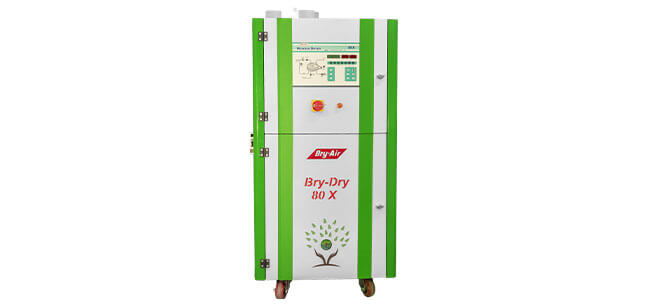
A high-quality plastic dryer machine plays a vital role in removing moisture from plastic materials before molding, extrusion, or other production processes begin. This step helps manufacturers maintain stable production conditions and achieve superior product quality.
Why Is Moisture Harmful to Plastic Processing?
Many engineering plastics and hygroscopic materials naturally absorb moisture from the air. Although the moisture content may appear insignificant, even small amounts can create substantial processing challenges.
When plastic resins containing moisture are exposed to high temperatures during manufacturing, the water converts into vapor. This can disrupt the material structure and negatively affect product quality.
Common Problems Caused by Excess Moisture
Improperly dried materials may lead to several production defects, including:
- Surface streaks
- Bubbles
- Voids
- Cracking
- Poor transparency
- Dimensional instability
These defects can increase scrap rates and reduce production efficiency.
Impact on Material Performance
Moisture can also contribute to polymer degradation during processing.
As the material structure changes, finished products may exhibit reduced strength, lower durability, and compromised performance characteristics.
Which Plastic Materials Require Drying?
Not all plastics absorb moisture at the same rate. Some materials are highly hygroscopic and require careful drying before processing.
These plastics absorb moisture deep within their molecular structure, making effective drying particularly important.
Common Hygroscopic Plastics
Materials that often require advanced drying include:
- Polycarbonate
- Nylon
- PET
- PBT
- ABS
- Acrylic resins
These materials must often reach specific moisture levels before processing to ensure optimal results.
Environmental Moisture Exposure
Plastic pellets can absorb moisture during:
- Storage
- Shipping
- Warehouse handling
- Production preparation
Even short periods of exposure to humid conditions can increase moisture content significantly.
How Does a Plastic Dryer Machine Work?
A plastic dryer machine is designed to remove absorbed moisture from plastic materials before they enter the manufacturing process.
The system creates controlled drying conditions that allow moisture to migrate from within the resin to the surrounding air.
Controlled Airflow and Temperature
Modern drying systems carefully regulate:
- Air temperature
- Airflow volume
- Drying duration
- Moisture levels
This controlled environment helps achieve efficient and consistent drying results.
Moisture Removal Process
Dry air passes through the plastic material and absorbs moisture from the resin.
The moisture-laden air is then regenerated or exhausted, allowing the drying cycle to continue until the desired moisture content is achieved.
Why Is Proper Drying Essential for Product Quality?
Product quality depends heavily on the condition of the raw material before processing.
When plastic materials are properly dried, manufacturers can maintain greater control over production variables and achieve more consistent outcomes.
Improved Surface Appearance
Dry materials process more evenly and are less likely to develop cosmetic defects.
This helps manufacturers produce products with smoother surfaces, better transparency, and improved visual appeal.
Better Mechanical Properties
Properly dried materials maintain stronger molecular structures during processing.
This contributes to improved strength, impact resistance, and durability in finished products.
Enhanced Dimensional Accuracy
Stable material conditions support precise molding and extrusion performance.
As a result, products are more likely to meet dimensional specifications and quality requirements.
How Does a Plastic Pellet Dryer Improve Manufacturing Efficiency?
Material preparation directly affects production efficiency.
A properly designed plastic pellet dryer helps ensure that plastic pellets enter the manufacturing process with the appropriate moisture content.
Consistent drying conditions contribute to smoother production operations and improved process stability.
Reduced Production Waste
Moisture-related defects often result in rejected parts and wasted materials.
By minimizing these defects, manufacturers can improve material utilization and reduce overall waste.
Lower Downtime
Processing issues caused by moisture contamination can interrupt production schedules.
Effective drying helps prevent many of these issues and supports continuous operation.
Increased Productivity
Stable processing conditions allow manufacturers to maintain consistent production rates and improve overall efficiency.
This contributes to better resource utilization and higher operational performance.
What Industries Depend on Plastic Drying Technology?
Plastic drying systems are used across numerous industries where product quality and performance are critical.
Each sector relies on proper moisture control to achieve specific manufacturing objectives.
Automotive Industry
Automotive components require high levels of durability, dimensional stability, and performance.
Proper drying helps manufacturers meet these demanding requirements.
Electronics Manufacturing
Electronic housings and precision plastic parts often utilize moisture-sensitive engineering plastics.
Drying ensures consistent material properties and reliable product quality.
Medical Equipment Production
Medical applications frequently require strict quality standards and precise manufacturing processes.
Moisture control supports material integrity and manufacturing consistency.
Packaging Industry
Packaging products must maintain strength, appearance, and performance characteristics.
Proper drying contributes to achieving these requirements efficiently.
What Features Should Manufacturers Look for in a Drying System?
Selecting the right drying equipment is important for achieving long-term production success.
Several factors should be evaluated during the selection process.
Drying Performance
The system should be capable of achieving the required moisture levels for the materials being processed.
Consistent drying performance is essential for maintaining product quality.
Energy Efficiency
Modern drying technologies focus on reducing energy consumption while maintaining effective moisture removal.
Energy-efficient systems help lower operating costs and improve sustainability.
Ease of Operation
Advanced controls and monitoring systems simplify operation and help maintain consistent drying conditions.
User-friendly equipment can improve productivity and reduce operational complexity.
How Is Plastic Drying Technology Evolving?
Manufacturers continue to seek more efficient and intelligent drying solutions that support evolving production requirements.
Recent advancements focus on improving performance, reducing energy usage, and enhancing process control.
Smart Monitoring Systems
Modern dryers increasingly incorporate advanced sensors and automation technologies.
These systems help operators monitor moisture levels, temperature conditions, and overall system performance in real time.
Greater Energy Optimization
New designs focus on maximizing drying efficiency while minimizing energy consumption.
This approach supports both cost reduction and environmental sustainability objectives.
Improved Process Integration
Drying systems are becoming more closely integrated with manufacturing operations, allowing for greater control and improved production consistency.
These innovations help manufacturers meet growing quality expectations while maintaining efficient operations.
Conclusion
Proper drying is a fundamental requirement for successful plastic manufacturing. Moisture contamination can lead to product defects, reduced material performance, higher scrap rates, and operational inefficiencies. By removing excess moisture before processing, manufacturers can improve product quality, maintain consistent production conditions, and enhance overall manufacturing performance.
Advanced drying systems help ensure that plastic materials achieve the appropriate moisture levels required for reliable processing and superior product outcomes. As quality standards continue to rise across industries, effective moisture control remains an essential part of modern plastic manufacturing operations.
For organizations seeking innovative drying solutions and advanced moisture control technologies, Bry-Air offers industry-leading systems designed to support efficient plastic processing and consistent product quality.


